 08045801632
 Send Inquiry


 English
 Spanish
 French
 German
 Italian
 Chinese (Simplified)
 Japanese
 Korean
 Arabic
 Portuguese

 Send Inquiry
Crane Hook
MOQ : 1 Piece
Crane Hook Trade Information
- Minimum Order Quantity
- 1 Piece
- FOB Port
- MUNDRA PORT
- Payment Terms
- Cash on Delivery (COD), Cheque
- Supply Ability
- 5 Pieces Per Week
- Delivery Time
- 5-8 Days
- Sample Available
- Yes
- Sample Policy
- Sample costs shipping and taxes has to be paid by the buyer
- Packaging Details
- PACKING IN CARTOON BOX
- Main Export Market(s)
- North America, Middle East, Africa
- Main Domestic Market
- All India
- Certifications
- AN ISO 9001 : 2008 CERTIFIED COMPANY
About Crane Hook
A crane hook is a fundamental component of a crane and is used for lifting and moving heavy loads. Cranes are mechanical devices equipped with a hoist, wire ropes, or chains, and a hook for lifting and lowering loads. The crane hook is typically attached to the crane's lifting mechanism and is used to connect with the load.
Here are some key features and components of a crane hook:
1. Shape and Design:
Crane hooks come in various shapes and designs, depending on the specific application. The most common type is the C-shaped hook, but there are also double hooks, single hooks, and specialized hooks for specific purposes.
2. Materials:
Crane hooks are usually made of high-strength materials such as alloy steel to ensure durability and safety. The materials used are chosen based on factors like the weight capacity of the crane and the type of loads it will be handling.
3. Latch Mechanism:
Many crane hooks are equipped with a latch or safety mechanism to prevent the load from accidentally slipping off the hook. This latch can be either spring-loaded or manually operated.
4. Swivel:
Some crane hooks are designed with a swivel feature, allowing the load to rotate freely during lifting. This can be useful for certain applications where the load needs to be positioned precisely.
5. Capacity Markings:
Crane hooks are usually marked with their weight capacity. It's crucial to adhere to these markings to ensure safe lifting operations and avoid overloading the crane.
6. Inspection:
Regular inspection of crane hooks is essential to identify any signs of wear, damage, or fatigue. Cracked or damaged hooks can pose a serious safety risk and should be replaced promptly.
Applications of Crane Hook:
1. Construction Industry:
Lifting and moving heavy construction materials such as steel beams, concrete blocks, and prefabricated structures.
2. Manufacturing Plants:
Handling and transporting heavy machinery, equipment, and raw materials within manufacturing facilities.
3. Shipbuilding and Maritime Industry:
Lifting and positioning ship components, containers, and other heavy materials during the construction and maintenance of ships.
4. Warehousing and Logistics:
Loading and unloading heavy pallets, crates, and containers in warehouses and distribution centers.
5. Mining Operations:
Lifting and transporting mined materials, machinery, and equipment in mining sites.
6. Power Generation:
Handling heavy components and equipment during the construction and maintenance of power plants.
7. Oil and Gas Industry:
Lifting and moving heavy equipment, pipes, and structures in oil refineries, drilling sites, and petrochemical plants.
8. Agriculture:
Lifting and transporting large and heavy agricultural equipment, such as tractors and irrigation components.
9. Automotive Industry:
Handling and positioning heavy vehicle components, engines, and chassis during the manufacturing process.
10. Renewable Energy Projects:
Lifting and installing components for wind turbines, solar panels, and other renewable energy infrastructure.
11. Infrastructure Development:
Lifting and placing precast concrete elements, steel girders, and other construction materials for bridges, highways, and tunnels.
12. Aerospace Industry:
Lifting and moving aerospace components, aircraft parts, and other heavy materials during manufacturing and assembly processes.
13. Entertainment Industry:
Rigging and lifting stage equipment, lighting fixtures, and other heavy components during the setup of concerts, events, and film productions.
14. Emergency Response:
In disaster recovery situations, crane hooks may be used for lifting and moving debris, assisting in rescue operations, and handling heavy equipment.
15. General Material Handling:
Various industries use crane hooks for day-to-day material handling tasks, including loading and unloading trucks, positioning materials on construction sites, and more.
Frequently Asked Questions (FAQs):
Q. What is a crane hook used for?
Ans: A crane hook is used for lifting and moving heavy loads in various industries, including construction, manufacturing, shipping, and material handling.
Q. How is a crane hook attached to the crane?
Ans: The crane hook is typically attached to the crane's lifting mechanism, which may involve a hoist, wire ropes, or chains. The connection is designed to securely lift and lower loads.
Q. What are the different types of crane hooks?
Ans: Crane hooks come in various types, including C-shaped hooks, double hooks, and single hooks. The specific type of hook used depends on the application and the nature of the load.
Q. Are crane hooks made of a specific material?
Ans: Yes, crane hooks are typically made of high-strength materials such as alloy steel to ensure durability and safety. The material chosen depends on factors like the weight capacity of the crane and the type of loads it will be handling.
Q. Do crane hooks have a weight capacity?
Ans: Yes, crane hooks are marked with their weight capacity. It is crucial to adhere to these markings to ensure safe lifting operations and avoid overloading the crane.
Q. What is the purpose of the latch on a crane hook?
Ans: The latch on a crane hook serves as a safety mechanism to prevent the load from accidentally slipping off the hook during lifting. It can be either spring-loaded or manually operated.
Q. Do all crane hooks swivel?
Ans: No, not all crane hooks swivel. Some hooks are designed with a swivel feature, allowing the load to rotate freely during lifting. This can be useful for certain applications where precise positioning is required.
Q. How often should crane hooks be inspected?
Ans: Crane hooks should be inspected regularly for signs of wear, damage, or fatigue. The frequency of inspection depends on factors such as the intensity of use, but it is typically part of routine maintenance procedures.
Q. Can a damaged crane hook be repaired?
Ans: It is generally recommended to replace a damaged crane hook rather than attempting to repair it. Repairs may compromise the structural integrity of the hook, posing a safety risk.
Q. What precautions should be taken when using a crane hook?
Ans: Users should follow safety guidelines, adhere to weight capacity markings, inspect hooks regularly, and ensure proper load distribution. Proper training on crane operations and safe lifting practices is essential.
Tell us about your requirement

Price:
Quantity
Select Unit
- 50
- 100
- 200
- 250
- 500
- 1000+
Additional detail
Mobile number
Email

More Products in Festoon System Category
Festoon Cable Trolley
Price 180 INR / Piece
Minimum Order Quantity : 20 Pieces
Condition : New
Lifting Capacity : 10 Metric Ton
Voltage : 500 Volt (v)
Max. Lifting Load : 10 Metric Ton
C Rail Festoon Systems
Price 350 INR / Meter
Minimum Order Quantity : 200 Meters
Condition : New
Lifting Capacity : 10 Metric Ton
Voltage : 450 Watt (w)
Max. Lifting Load : 10 Metric Ton
Festoon System
Price 230 INR / Meter
Minimum Order Quantity : 100 Meters
Condition : New
Lifting Capacity : 10 Tonne
Voltage : 220 Volt (v)
Max. Lifting Load : 10 Tonne
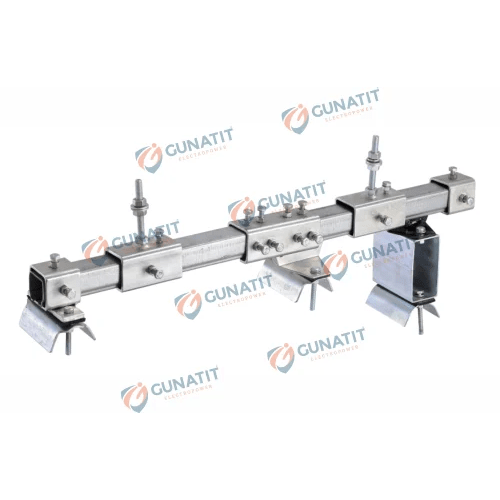
C Rail Festoon System for Crane
Price 350 INR / Meter
Minimum Order Quantity : 200 Meters
Condition : New
Lifting Capacity : 10 Metric Ton
Voltage : 500 Volt (v)
Max. Lifting Load : 10 Metric Ton

Contact Us

- Plot No. 38, Akshat Industrial Area, Near Dwarkesh Cold Storage, Mavdi - Pal Rd, Village Ravki,Rajkot - 360004, Gujarat, India
- Phone :08045801632

- Mr Uttam Madhani (DIRECTOR)
- Mobile :08045801632
- Send Inquiry
|


Our Products
- Shrouded Bus Bar System
- DSL Busbar System (Shrouded Busbar )
- Thruster Brake
- Cable Carrier
- Festoon System
- EOT Crane Limit Switch
- Punch Grid Resistance Boxes
- Crane Pendant Station
- Anti Collision Device
- Radio Remote Control
- DSL Busbar System
- AC Electro Magnetic Disc Brake
- Enclosed Conductor Systems
- EOT Crane Parts
- Full Gear Coupling
- CRANE BRAKE DRUM COUPLING
- EOT Crane Limit Switches
- Crane Radio Remote Controls
- C rail Festoon Systems
- Rotary Geared Limit Switches
- Crane Cable Trolleys
- Eot Crane Brake Drum
- Electro Hydraulic Thruster Brake
- Thrustor Brakes
- Crane Control Equipment
- Eot Crane Brakes
- Crane Conductor Systems
- Wire Rope Hoist
- Master Controllers
- Electric Wire Rope Hoist
- Cable Carrier Trolleys
- Heavy Duty Cable Trolley
- C- Rail Crane System
- Spring Cable Reeling Drum
- Eot Crane Lever Limit Switch
- AC Electromagnetic Disc Brake
- EOT Crane Two Way Lever Type Limit Switch
- EOT CRANE
- END CARRAIGE
- ELECTRIC WIRE ROPE HOIST

 Send Inquiry
 Send SMS
GUNATIT ELECTROPOWER PRIVATE LIMITED
All Rights Reserved.(Terms of Use)
Developed and Managed by Infocom Network Private Limited.
Developed and Managed by Infocom Network Private Limited.

